Amazon Flex gives individuals in many cities the opportunity to earn additional income by delivering packages in their spare time. It’s a model that’s gained popularity in recent years, especially for those looking for flexible work without long-term commitments. Understanding how it works—and if it’s right for you—can make a significant difference in your financial plans.
The following guide is designed for anyone considering part-time delivery jobs or seeking an adaptable side hustle. Whether you’re a student, parent, or already employed, readers may find value in learning how the Amazon Flex app functions and what expectations to have. There’s also the benefit of grasping how flexible schedules may complement your main occupation or studies.
What is Amazon Flex and How Does It Work?
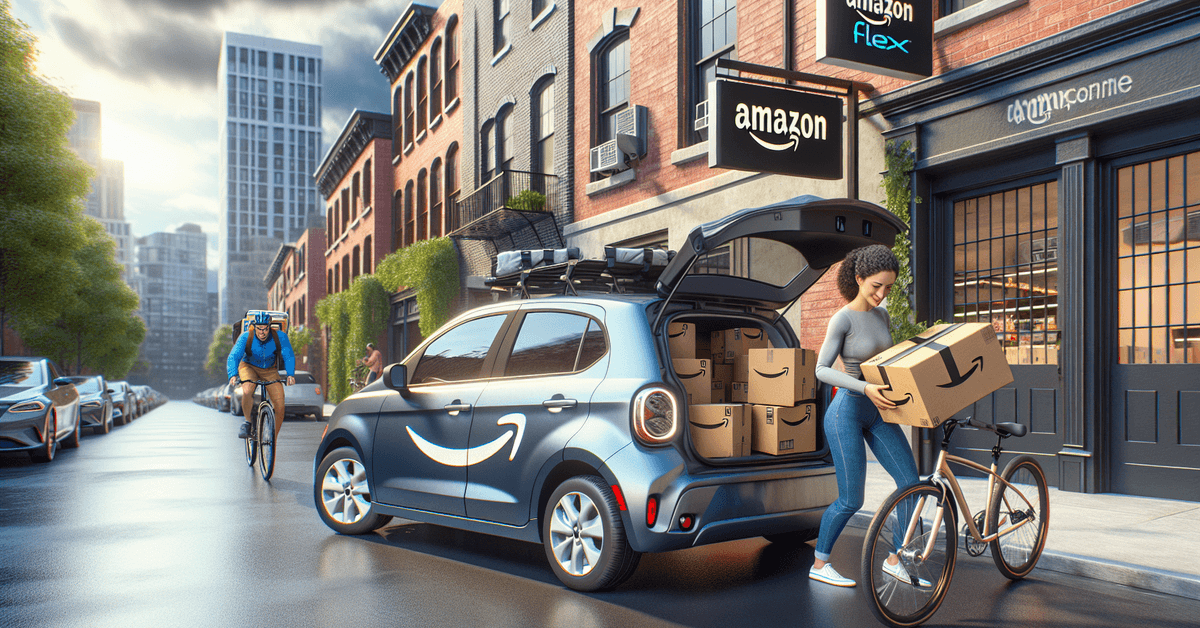
At its core, Amazon Flex is a gig-economy platform that lets individuals deliver Amazon packages using their own car. The service connects drivers to delivery opportunities by block—a set period of time (often 3-4 hours) during which assignments are made available.

Drivers use the official Amazon Flex app to accept shifts, find navigation routes, and manage earnings. Amazon offers regular parcels, Prime Now orders, and even grocery deliveries depending on the area. This blend, I think, appeals to those who don’t want to be tied down to a rigid delivery schedule.
Why Choose Amazon Flex for Extra Income?
The flexibility of Amazon Flex can be especially attractive in today’s market. Many gig workers say the option to choose their own work hours is its best feature. If unpredictable schedules are a constant in your life, a delivery gig can provide a welcome solution.
Key Advantages
- Flexible Scheduling: Blocks are available throughout the week, so almost anyone can fit a shift around their existing plans.
- Decent Earnings Potential: Most reports suggest average pay rates are $18–$25 per hour before expenses, though results can vary.
- Simple Onboarding: Little prior experience is required; drivers just need to meet the basic criteria and pass a background check.
- No Long-term Commitment: Unlike some other jobs, there’s no minimum or ongoing obligation.
Getting Started with Amazon Flex
If Amazon Flex sounds interesting, the next step is understanding how to begin. While not available everywhere, it is active in many US cities and select international markets.
Basic Requirements
- Be at least 21 years old (in most areas)
- Possess a valid driver’s license and Social Security number
- A reliable, insured car—often a 4-door sedan or larger
- A smartphone capable of running the Amazon Flex app
The requirements don’t seem too complicated, honestly, but it’s wise to double-check coverage for commercial delivery with your insurer. Sometimes, drivers discover they need specialized insurance only after they’ve started.
Application Process
- Download the Amazon Flex app.
- Sign up and complete the background screening; this usually takes a few days.
- Review the training videos and materials in-app.
- Once approved, set your region and start selecting available delivery blocks.
How Much Can Drivers Earn?
Pay rates with Amazon Flex are generally offered in advance for each delivery block. Typically, each shift comes with a guaranteed hourly minimum, which can provide a small comfort compared to purely commission-based models.
Factors Affecting Earnings
- Region: Urban areas and busy delivery hubs can yield higher volumes and, possibly, better hourly rates.
- Block Type: Delivering groceries or Prime Now may pay differently from standard parcels.
- Vehicle Size: Cars with larger capacity enable more packages per run, often earning more per block.
- Availability: Picking up last-minute or weekend shifts can sometimes include incentives or surge pay.
It seems that while base rates fall within a certain range, location and efficiency play key roles. For anyone attempting to cover expenses like fuel and maintenance, careful block selection and route planning are often crucial.
| Region | Typical Hourly Pay | Types of Deliveries |
|---|---|---|
| Urban City | $20–$25 | Amazon.com Packages, Prime Now, Groceries |
| Suburban | $18–$23 | Standard Packages |
| Rural | $18–$20 | Limited Deliveries |
Note: Actual pay rates can fluctuate based on demand and season.
Maximizing Efficiency as an Amazon Flex Driver
While delivering with Amazon Flex is generally straightforward, some small strategies may help boost both satisfaction and overall hourly pay.
Helpful Tips for Smooth Shifts
- Plan Your Route: While the app suggests directions, local knowledge can sometimes help complete blocks faster.
- Check Package Counts in Advance: Some blocks have unexpectedly high package loads. A quick double-check may prevent surprises.
- Track Expenses: Log every trip and refill. Many drivers use a simple notebook or a budget app to stay organized.
- Bring Essentials: Water, snacks, and a phone charger may seem obvious, but forgetting them has made some shifts harder for others.
Perhaps most drivers agree that preparation is its own reward. It seems the little habits—like early check-ins and route optimization—frequently add up over time.
Challenges and Considerations
Not everything about the Amazon Flex model is perfect. Some drivers face sudden block cancellations, or find that delivery apps sometimes assign confusing addresses. Bad weather and heavy traffic can be, well, disruptive too.
Also, Amazon Flex drivers are independent contractors. That means you’ll need to handle taxes and car maintenance out of pocket. For those new to gig work, this comes as a surprise.
Dealing with Inconsistent Deliveries
- Occasionally, the app might not offer shifts even when you’re available.
- As demand changes, you might see fewer or more blocks week to week.
Some people find this unpredictability frustrating. Others just fit Amazon Flex around their life, not the other way around. There’s a trade-off, certainly, between freedom and guaranteed income.
Legal and Tax Matters for Amazon Flex Drivers
Amazon Flex is a 1099-contractor scenario in the US (and similar elsewhere), so drivers should track earnings and save for taxes. Quarterly payments to the IRS may be required, depending on income.
This part can be intimidating for those new to gig work. There are many tax deduction opportunities, such as for mileage and phone bills. Reading guides or consulting with a tax expert sometimes makes a notable difference.
For those delivering outside the United States, checking local regulations about self-employment or contractor status is essential. There is no one-size-fits-all since laws shift by region.
Is Amazon Flex the Right Choice?
Some may find the flexibility a perfect fit for gaps in their week. Others could prefer the consistency of more traditional employment. There’s also the question of long-term sustainability; delivery wear on vehicles, rising fuel costs, or personal safety, for instance, are all valid things to weigh. Not every solution works for everyone, and that’s just reality.
Reading driver forums or testimonials—like those on Glassdoor or Indeed—might help set realistic expectations. It’s not always easy to predict how much you’ll earn, but for many, it’s a way to make a meaningful dent in monthly expenses without rigid time demands.
Visual Suggestion: A flowchart showing the Amazon Flex onboarding process or a map of active cities can give readers more clarity.
Final Thoughts: Weighing Your Options
Amazon Flex may offer a flexible, sometimes lucrative opportunity, depending on your needs and availability. The ability to select delivery blocks, manage your earnings, and control schedule can make a significant difference for those balancing multiple priorities. Yet, as with any gig job, it’s wise to consider the unexpected—be it traffic, taxes, or vehicle wear. It’s not a flawless system but, for the right person, could be the adaptable side gig that fits just right.
For more comparisons, perhaps check out our guide on earning money with food delivery apps to see how Amazon Flex stacks up. If trying out flexible income streams sounds like an option, researching platforms—and reviewing your goals—might be worth it.