Subway restaurants in Brazil are largely franchise-operated, so hiring is usually handled by the local store owner or operator.
That means the exact steps can vary by city and store, even when the job title looks the same.
Your best results come from applying through the channels Subway points to and tailoring your availability.
How Subway Hiring Typically Works in Brazil
Most Subway stores recruit locally because each unit is run by a franchisee who manages staffing needs day to day.
Many openings focus on in-store roles like Sandwich Artist (attendant) and store management.
Because hiring is local, you may see different application methods such as platform applications, email, or in-person resume drop-offs, depending on the unit.
You should expect a practical selection style that checks availability, customer service, and comfort with food-handling routines.
What “Franchise-Run” Means for Your Application
Your application is usually reviewed by a store manager or franchise owner, not a centralized Subway Brazil recruitment team.
Response times depend on the store’s staffing urgency and the manager’s schedule rather than an automated corporate timeline.
Following up politely at the store can help because it puts a face to your name in a business that values service presence.
Common Roles You’ll See
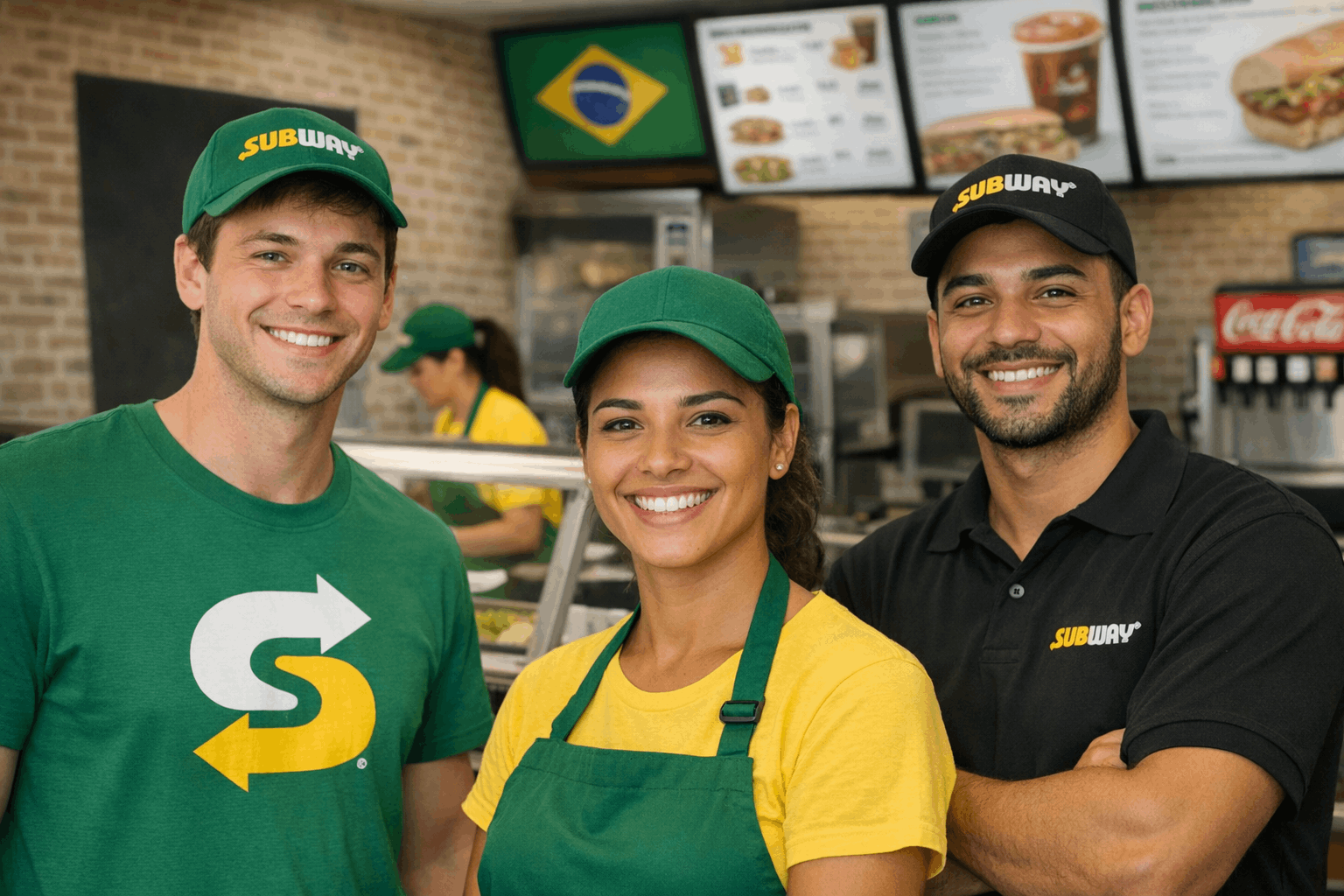
Sandwich Artist roles often emphasize friendly service, clear communication, teamwork, and interest in food preparation.
Supervisory and manager roles typically add responsibilities like shift leadership, quality control, and operational routines.
Some locations also recruit for entry pathways like apprenticeships listed on major job platforms, depending on the local partner and city.
Where to Find Real Subway Job Openings in Brazil
Subway Brazil’s LinkedIn presence directs candidates to vacancies, making it a strong starting point.
Major job boards in Brazil also list Subway roles, but you should still verify the store location and details before sharing documents.
If you find a posting that looks unofficial or requests unusual personal data upfront, treat it as a red flag and use safer application routes.
When possible, prioritize postings that clearly identify the employer entity, city, schedule expectations, and how the interview will be arranged.
Using LinkedIn the Smart Way
Start from the Subway Brazil company page and use the “Jobs” area to filter by your city and role type.
Save roles and apply quickly because entry-level food service roles can close fast once enough candidates appear.
Keep your profile simple and consistent with your resume, especially for dates, availability, and location.
Using Job Boards Without Wasting Time
Use Indeed and similar boards to compare requirements across stores, since postings often list the exact skills and minimum education expected.
Look for clear statements about schedule, benefits, and role expectations, because vague posts often lead to vague interviews.
Avoid sending sensitive documents before you have an official interview request or a verified store contact path.
Get Your Application Ready Before You Click “Apply”
A Subway application moves faster when your resume is already aligned to customer service, speed, and reliability.
You should prepare a short message that highlights your availability and comfort with routine food handling and cleaning standards.
In Brazil, many employers will also expect you to have your Carteira de Trabalho (CTPS) in order, since it records your work history and supports labor rights access.
CTPS is primarily digital now, so you should know how to access your Carteira de Trabalho Digital via official government channels.
Resume Tips That Fit Subway Roles
Put customer-facing experience first, even if it is informal, short-term, or school-related, because service roles value attitude and reliability.
Use bullet-style achievement lines like “handled rush-hour lines” or “kept workstation organized,” because Subway job ads often emphasize agility and organization.
Add your availability clearly (days and hours), since many hiring decisions for quick service start with schedule fit.
Documents You May Be Asked For After Approval
Expect requests for basic identification and employment registration items, with CTPS being a core document tied to your work record.
Be ready with common IDs like RG and CPF and keep copies accessible, since these are standard items in Brazilian employment onboarding flows.
If a store asks for documents, confirm it is part of a real onboarding step and not a pre-interview demand from an unverified contact.
What Subway Stores Usually Look For
Subway roles are built around fast, consistent service, so stores often screen for friendliness and clear communication first.
Many postings also value teamwork and problem-solving under pressure because lunch and dinner peaks require coordinated station work.
Because Subway is a food service operation, hygiene routines and safe handling habits are critical, and Brazil has well-established best-practice guidelines for food service.
Showing that you take cleanliness seriously can differentiate you, especially if you connect it to daily habits like hand hygiene and organized prep.
Customer Service Behaviors That Stand Out
Use examples that prove you stay calm with long lines and still treat people with respect and patience.
Mention that you can communicate clearly and confirm orders, which reduces mistakes in a build-your-own meal format.
Show that you accept feedback well, since store training often relies on quick coaching to meet operational standards.
Food Safety Awareness Without Sounding Over-Technical
In Brazil, ANVISA’s RDC 216/2004 sets good-practice procedures for food services to support hygienic and sanitary conditions.
You can say you understand the importance of hygiene routines and avoiding contamination during preparation and service.
If asked, keep it practical by focusing on habits like clean hands, clean surfaces, and careful handling, not legal jargon.
Interview Preparation That Matches What Managers Decide On
Most Subway interviews for store roles are short, practical, and focused on whether you can work the required shifts and handle the pace.
Your goal is to remove doubts by being clear on schedule, showing service energy, and proving you can follow routines.
You should prepare simple stories about teamwork, handling pressure, and resolving a customer issue respectfully.
If you are new to formal work, use school, volunteering, or family business examples that show responsibility and consistency.
Questions You Should Be Ready For
Expect questions about your availability, weekend work, and how you handle busy periods.
Be ready to explain why you want the role and how you would treat customers and coworkers in a respectful way.
You may also be asked about comfort with food preparation and cleaning routines, since postings frequently highlight these expectations.
What to Bring and How to Present Yourself
Bring a clean printed resume, even if you applied online, because many store interviews still rely on a quick in-person review.
Dress neatly and practically, since the work is hands-on and managers often prefer a professional but simple look.
Arrive early and be ready to greet staff politely, because your first impression is part of the service test.
Conclusion
Early training usually prioritizes station routines, service flow, and cleaning discipline because consistency keeps operations running.
Ask questions when unsure, since food safety and customer experience depend on doing small steps correctly every time.
Focus on speed with accuracy rather than rushing, because quality and hygiene expectations are part of good food service practices.