Receita Federal auctions can look like a shortcut to cheap electronics, tools, and even vehicles, but the process runs on rules that don’t forgive guesswork. Deals exist because the lots come from seized or abandoned goods, sold under public-auction terms inside a government system.
Value depends on preparation, not luck, since every bid becomes binding and post-sale complaints usually go nowhere.
Serious participation starts on official channels only, using the same identity and tax records tied to everyday obligations. That’s also why scammers copy the visual style of public notices and try to redirect payments. Staying inside the official flow keeps the risk manageable.

What These Auctions Really Are
Receita Federal runs public auctions to dispose of goods that were seized, abandoned, or otherwise destined for legal disposal. Lots can include smartphones, laptops, consoles, machinery, vehicle parts, and mixed household items.
Each lot is sold as a bundle, so a single “good item” can be paired with lower-value pieces that affect the real math. Pricing starts low because the government isn’t running a retail shop.
Condition, missing accessories, storage marks, and incomplete documentation can drag value down fast. That’s why each auction comes with a notice that spells out inspection windows, pickup rules, and payment deadlines.
Eligibility and Accounts That Must Be Ready
Participation depends on identity, tax status, and access level, not on having “auction experience.”
Adults need an active CPF, and companies need an active CNPJ with an authorized representative. Auctions also rely on a digital identity that can pass government-grade authentication.
Access requires Portal e-CAC login, and the account must be tied to a Gov.br profile that reaches the reliability tier used for sensitive services. Many bidders get stuck here, because the system won’t accept a weak login level during the moment it matters.
Finding Editais and Reading Them Like A Buyer
Every opportunity starts with editais de leilão, and the details inside them matter more than the headline item list. Dates differ per region, inspection locations can be warehouses far from city centers, and some lots are restricted to companies due to the category of goods involved.
Lot photos help, yet photos rarely show battery health, hidden cracks, missing chargers, or corrosion.
Inspection periods exist for a reason, and the official guidance treats inspection as the moment to accept reality. After arrematação, the system expects pickup, not negotiations.
Step-By-Step Participation Checklist
Solid bidding comes from a clean routine that avoids last-minute errors. Steps below match the official flow used for electronic auctions.
- Log in through Portal e-CAC using an eligible Gov.br level, then open the auction service inside the menu.
- Enter the Sistema de Leilão Eletrônico area and select an edital that matches location and timeline.
- Review lot composition, inspection rules, and pickup constraints, then schedule inspection if practical.
- Place a bid during the closed phase, then monitor classification for the open phase.
- After winning, issue the payment document inside the system and keep proof for pickup.
How Bidding Works and Why The 10% Rule Matters
Auction dynamics run in two stages, and mixing them up leads to bad strategy. The first stage is a sealed offer, where bids are confidential and can be included, changed, or removed until the deadline. Official guidance describes this stage as proposta fechada, and it sets the baseline that determines later eligibility.
The second stage is the live competition, known as sessão pública de lances. Participation usually depends on classification rules, and the federal guidance commonly uses a cutoff tied to the best offer.
The Manual do Licitante explains that, as a general rule, only proposals up to 10% below the highest proposal for a lot are selected for the live stage, depending on edital terms.
Payment, Taxes, and Pickup Logistics That Decide The Real Cost
Winning creates immediate obligations. Payment happens through pagamento via DARF, issued by the auction system after adjudication, and editais define the exact deadline and conditions. Official Q&A materials also warn against any site that requests payment by other methods, since scams often push PIX keys or fake slips.
Tax Cost Can Rise After the Hammer Falls
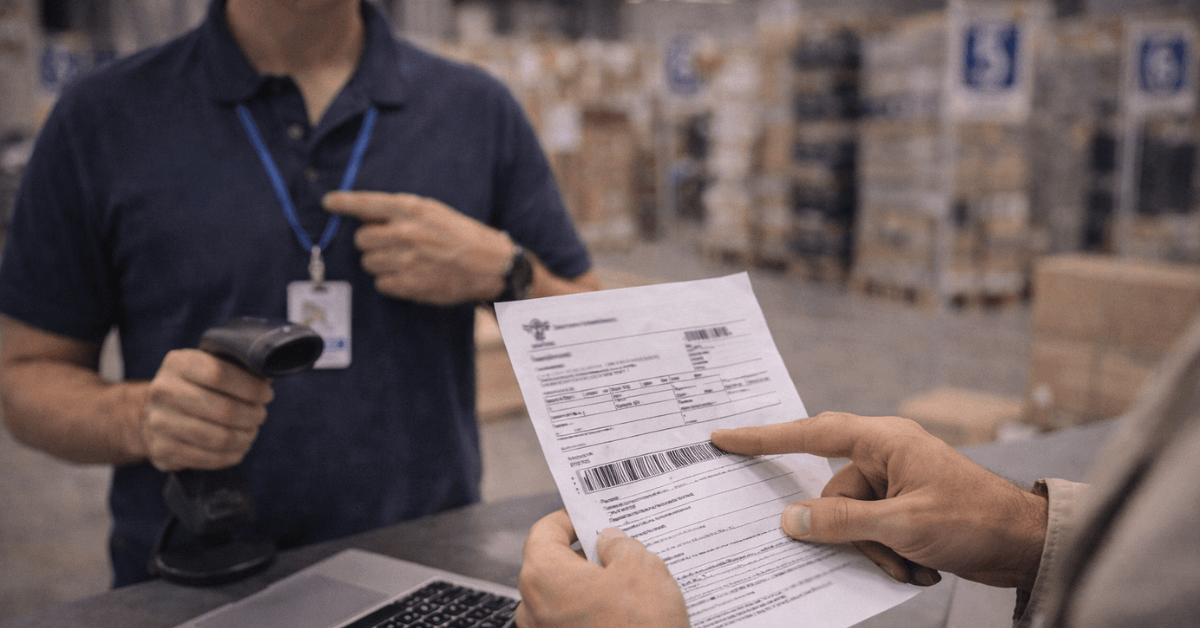
ICMS may apply depending on the state and the type of goods, and some editais also mention storage or handling fees charged by the warehouse. Pickup is on the buyer, since the federal guidance states that Receita Federal does not deliver lots.
Timing matters too. Official guidance typically sets a 30-day window to collect the goods after arrematação, with forfeiture risk if the lot remains uncollected, based on rules referenced in customs regulation. Planning transport and manpower before bidding prevents losing money after winning.
How To Spot Real Deals Without Getting Burned
Good deals come from process discipline and a realistic definition of “market price.” Retail comparisons should be adjusted for risk, since auction items can be used, incomplete, or hard to test. Lots with mixed contents often look cheaper than they really are once resale limits and defects are priced in.
Personal-Use Restrictions
Personal-use restrictions matter. Individuals generally buy for personal use, and resale is prohibited under the typical auction rules.
Companies may have broader options, but resale still depends on compliance, documentation, and the lot category. Vehicle lots can also carry special constraints, such as dismantling-only rules restricted to registered businesses in certain editais.
Deal evaluation improves when cost is treated as a full bundle: bid amount, taxes, transport, time off work, and the probability of one or two unusable items. A “cheap iPhone lot” stops being cheap if the lot forces travel, storage fees, and a high defect rate.
Deal Math Checklist That Works In Practice
This quick screen prevents most regret bids, and it fits how lots are structured in real auctions.
- Estimate resale value only if resale is permitted for that buyer type and lot category.
- Discount market price for missing accessories, unknown battery health, and inspection limits.
- Add ICMS and any warehouse fees listed in the edital, then add transport costs.
- Set a hard maximum bid that still feels acceptable if one key item fails.
- Favor lots with clear photos, consistent item descriptions, and realistic pickup logistics.
Scams and Common Mistakes That Cost Money
Fake portals and cloned editais are the biggest external risk. Official materials stress that participation must stay on government domains, and payment should come only from the system-issued document. Any “agent” pushing payment outside that flow deserves immediate distrust.
Bid mistakes are the biggest internal risk. Overbidding happens when the lot is imagined as a single item instead of a bundle.
Underbidding happens when the 10% classification rule is ignored, blocking entry to live competition. Missed pickup deadlines can be even worse, since official guidance describes loss of the lot and loss of money after the defined window.
Last Thoughts
Receita Federal auctions can pay off, yet the edge comes from discipline, not optimism. Solid bids start after the edital is read like a contract, the inspection reality is accepted, and the full cost is priced in, including taxes, transport, and time.
Staying on official channels, paying only through the system-issued DARF, and respecting pickup deadlines keeps risk under control.
Treat each lot as a binding bundle purchase, set a hard ceiling, and the occasional win feels like a smart outcome instead of a lucky accident.