Walmart is one of the biggest employers in retail and logistics, so hiring can attract a lot of applicants. The keyword Walmart retail supply chain careers matters because it covers store jobs and supply chain jobs with different demands.
If you are targeting Walmart retail supply chain careers, pick a track that fits your schedule, physical capacity, and comfort with customers or process work.
This guide explains the tracks, common roles, benefits, requirements, and the official steps that help you apply without wasting time.
How To Start Your Walmart Career By Picking The Right Track
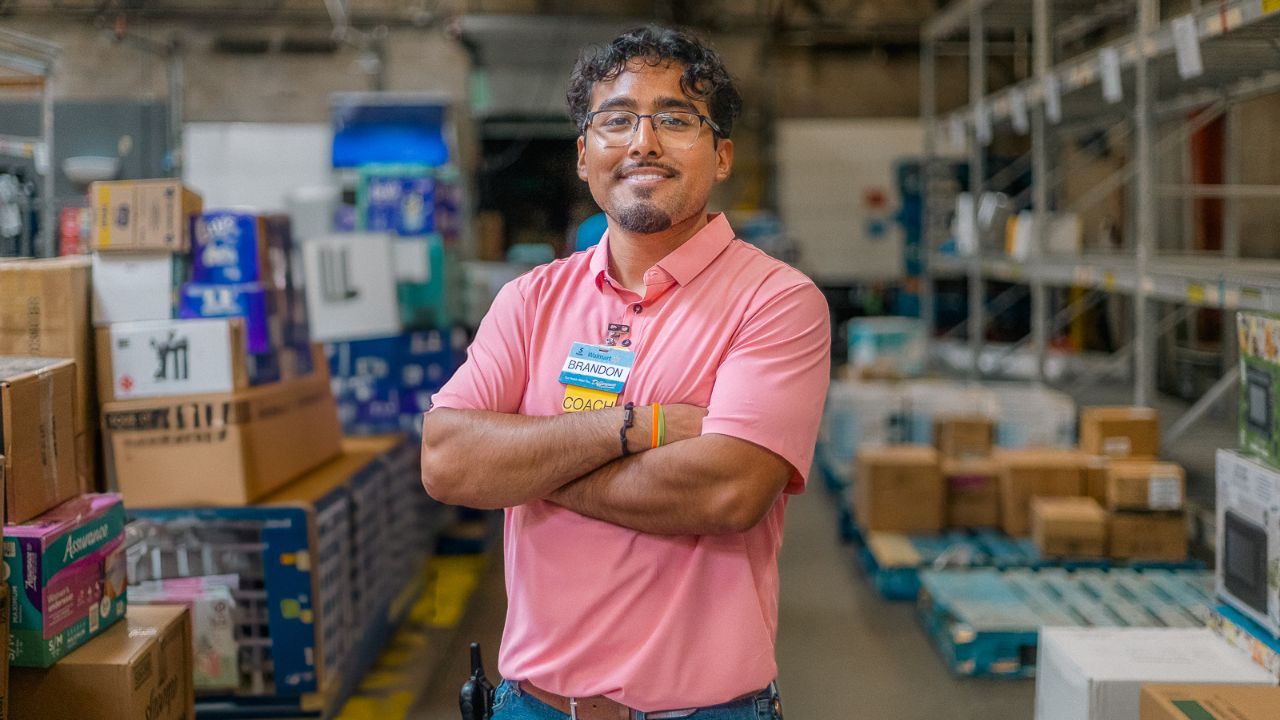
At Walmart, roles are split into store teams, supply chain teams, and transportation support, and each track rewards a different work style.
Choosing the right track early helps you avoid roles that do not match your schedule or stamina.

Recruiters screen for reliability, safety awareness, and follow-through because those reduce turnover and errors. When your track choice is clear, your resume reads cleaner, and your interview stories sound more credible.
Store Roles For Customer-Facing Work
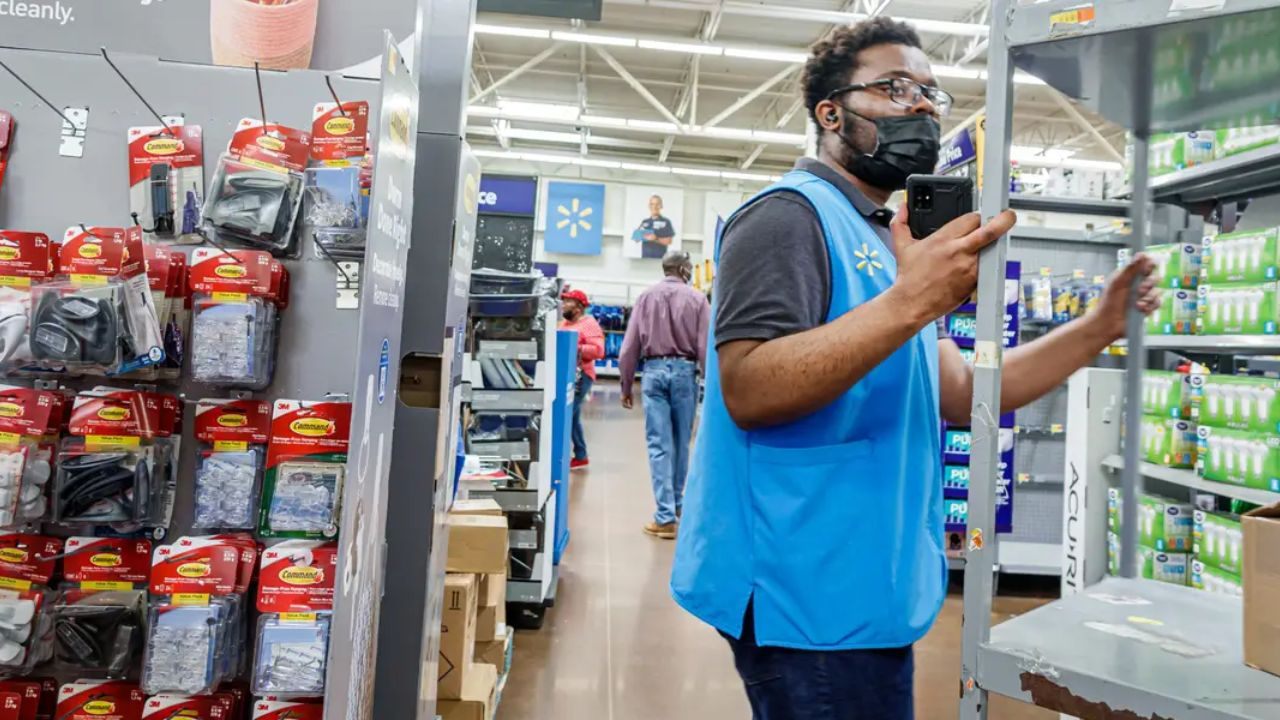
Store roles fit you if you like constant movement, quick tasks, and frequent customer questions. You may stock shelves, support online pickup, help shoppers locate items, or work the front end.
Hiring teams focus on availability, attendance reliability, and your ability to follow routines without reminders.
Explain how you stay calm during rush periods, protect service quality, keep accuracy high, and help teammates recover after heavy traffic without cutting corners.
Supply Chain Roles For Process And Pace
Supply chain roles fit you if you prefer structured workflows, clear metrics, and team-based execution. You might pick, pack, load, unload, or receive freight in a distribution or fulfillment facility on rotating shifts.
These jobs require stamina, consistent scanning, and strict adherence to safety protocols throughout a full shift. Describe how you keep pace, protect accuracy, and follow standard work steps every hour, and you will match what operations leaders want.
Retail Jobs And What It Takes To Succeed
Retail work is built around product availability, customer flow, and clean standards through constant traffic in every aisle.
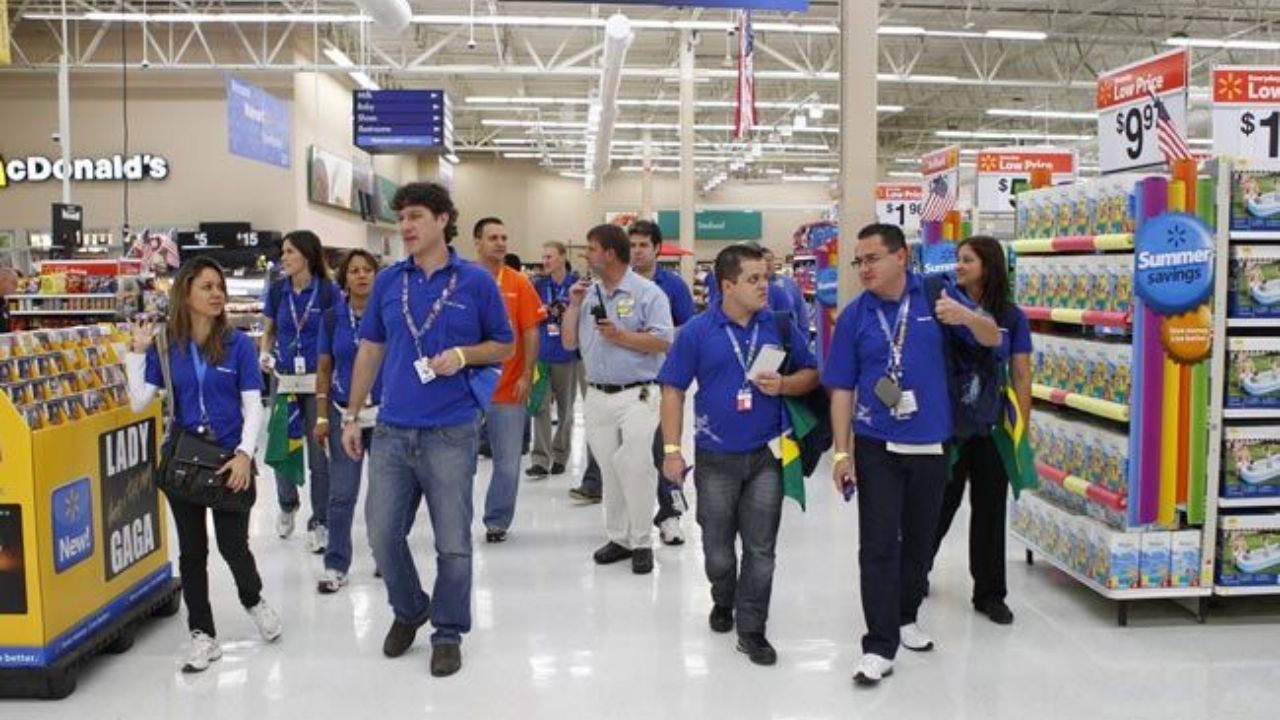
Store leaders need people who follow procedures, show up consistently, and communicate clearly with shoppers and teammates. Experience helps, but dependable attendance and a steady attitude matter more than perfect retail vocabulary.
When you target a store role that fits your schedule, you lower the risk of missed shifts and early turnover.
Core Retail Roles And Daily Responsibilities
Common store roles include stocking and merchandising, sales floor support, cashier work, and online order pickup. Your day can include replenishing shelves, zoning aisles, answering questions, scanning items, and keeping displays organized.
Pickup roles add staging and customer handoffs, where mistakes quickly turn into refunds, delays, and complaints.
If you can multitask while following routines, you help the store run more smoothly during peak hours and reduce avoidable rework for everyone.
Skills That Help You Stand Out In Store Teams
Managers look for punctuality, clear communication, and the ability to follow policy even when a customer is impatient. Basic numeracy supports checkout accuracy, while organization supports stocking routines and clean aisle standards.
Teamwork matters because departments depend on handoffs, and one weak link creates delays, complaints, and extra work.
In your application, use examples with outcomes, such as fewer errors, faster restocking, stronger customer feedback scores, and consistent weekly attendance.
Supply Chain And Warehouse Jobs You Can Target
Supply chain roles keep stores stocked and online orders moving, so speed and accuracy are treated as business-critical daily.
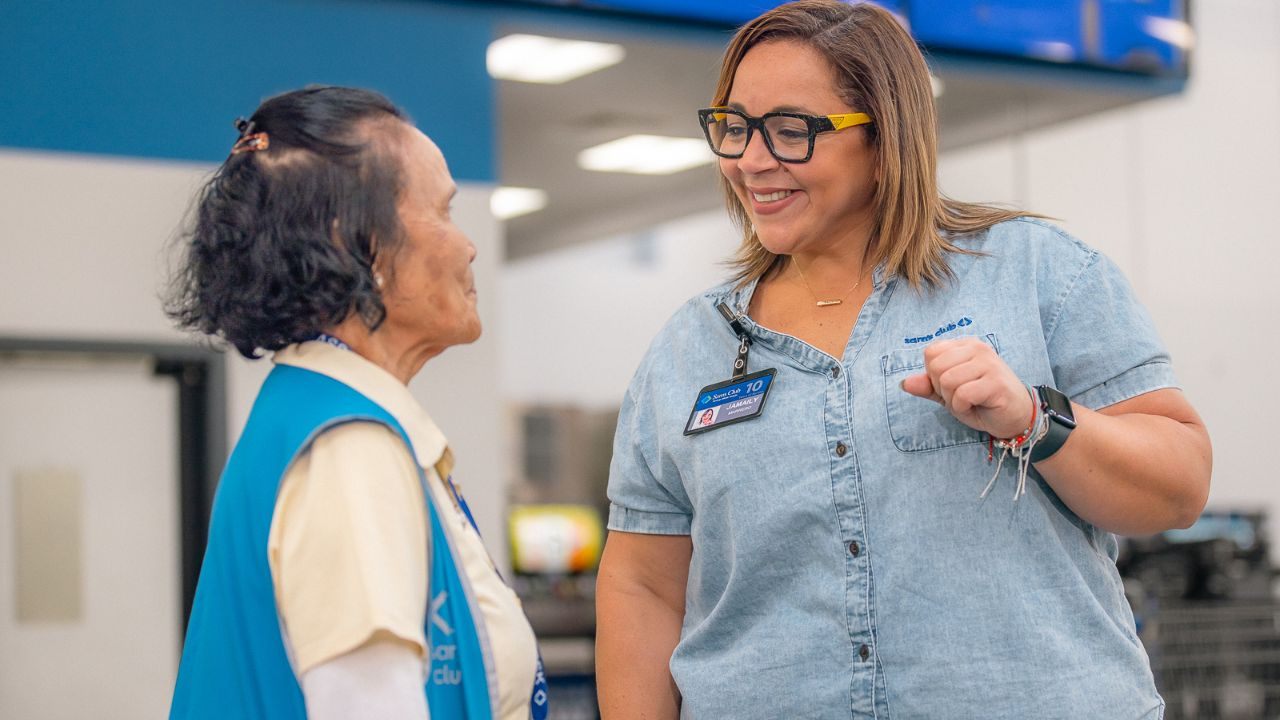
Facilities run on structured shifts, standard work steps, and safety rules that protect people and product. You are expected to scan correctly, keep counts accurate, and maintain pace without skipping the process.
If you like measurable performance, clear coaching, and visible targets, this track can reward consistent results each week over time.
Picking, Packing, Shipping, And Receiving Positions
You may work as a picker, packer, loader, unloader, or receiver depending on the facility and shift. Many tasks involve scanning items, verifying quantities, and placing goods in the correct location to prevent delays.
Shipping and receiving also require documentation because one mismatch can cascade into shortages and late deliveries. If you can move fast while staying accurate, you align with the core expectations of most warehouse teams every day.
Equipment, Safety, And Performance Standards
Safety is non-negotiable in warehouse settings, so you need to follow lifting, movement, and equipment rules every time. Some roles involve powered equipment, while others rely on manual handling and a steady pace across long aisles or staging areas.
Performance is tracked through rate, accuracy, and adherence to standard work steps, not just raw speed. If you prioritize safety and maintain consistent output, you become a lower-risk hire and a stronger candidate for promotion.
Transportation And Logistics Support Opportunities
Transportation support links warehouse execution to store deliveries, so even small delays can create empty shelves and missed pickup windows.

This track often suits you if you like coordination, documentation, and keeping schedules moving without constant public interaction.
Work can include yard organization, dispatch support, or transportation administration, depending on the site.
If you stay calm when priorities shift, you can build specialized operations skills that transfer across facilities quickly.
Yard, Dispatch, And Transportation Coordination Roles
Yard and dispatch roles focus on keeping trailers, routes, and schedules organized so loads move on time. You may coordinate check-ins, communicate with teams, and track movements using facility systems and standard procedures.
Accuracy matters because wrong assignments waste time, increase congestion, and create safety risks in tight spaces. If you prioritize clearly and communicate fast, you can keep operations flowing during high-volume periods without daily missed handoffs.
Maintenance, Facilities, And Reliability Support Roles
Facilities roles keep the operations environment functional by supporting equipment, building systems, and safety readiness. Maintenance work can include preventive checks, repairs, and troubleshooting that reduce downtime and protect productivity.
Reliability support can also include inspections and documentation that keep compliance routines consistent across shifts.
If you have technical aptitude and you like structured problem solving, this path can offer stable progression, paid learning, and practical, specialized certifications over time.
Benefits, Requirements, And The Official Application Process
Benefits and requirements vary by location and role, so the job posting is the final reference you can trust.
Still, you can prepare a baseline plan that helps you move quickly when a strong opening appears. Focus on work eligibility, schedule availability, and proof that you follow the process and safety rules.
Applying through official channels and tailoring your profile to the role reduces rejections caused by basic mismatches.
Benefits And Stability Factors To Compare
Applicants often compare schedule options, access to benefits, and growth signals like training and internal mobility. Some roles pay differently by shift, location, or role type, so read each posting closely and avoid assumptions.
Prioritize schedule fit first, because attendance expectations are strict and missed shifts can end employment quickly.
Once the schedule fit is clear, compare the benefits, pay structure, advancement language, and any shift premium details with the same discipline.
Requirements And Official Steps To Apply Correctly
Most roles require legal authorization to work, accurate personal information, and completion of any required assessments.
Prepare a resume that mirrors the posting language and shows measurable outcomes, even if they come from other industries. Apply through the official career site, confirm your availability, and avoid third-party reposts that may be outdated.
If you reach an interview, bring examples of reliability, teamwork, and safe execution under pressure, with clear results.
Conclusion
The fastest way to start is to pick a track that matches your strengths, your schedule, and the pressure you handle best. The keyword Walmart retail supply chain careers should guide you to store work, supply chain work, or transportation support, not random applications.
When you show reliability, safety discipline, and measurable results, recruiters have a clear reason to move you forward.