Amazon delivery driver jobs have become a popular way for people to earn extra income with flexibility.
For anyone curious about working as a delivery driver—whether for Amazon Flex, Amazon DSP, or traditional routes—understanding the potential earnings and how to get started really matters.
This article covers the essentials to help readers decide if this flexible, accessible gig work aligns with their goals.
Why Choose Amazon Delivery Driver Jobs?
For some, joining Amazon’s delivery network offers a bridge between full-time employment and freelance freedom.
It’s not always easy to find flexible work that still pays steadily; perhaps that’s the core appeal for most applicants.
Individuals looking for income supplements, those between careers, or college students sometimes find these positions a practical fit.
Types of Amazon Delivery Driver Roles
Amazon doesn’t hire all its drivers in the same way, which can be slightly confusing initially. Generally, you’ll encounter three main categories:
Amazon Flex Drivers
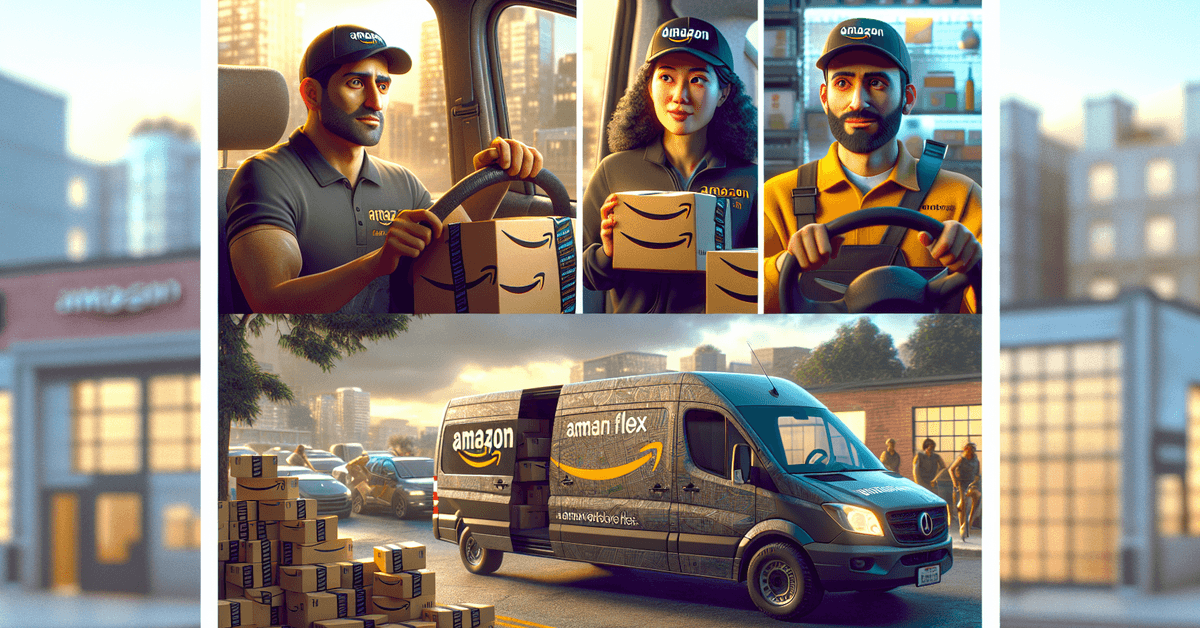
Amazon Flex is a gig-economy option, similar to rideshare or food delivery apps. Drivers use their own vehicles to deliver packages, with some freedom over when and how often they work. A smartphone and vehicle are required—no special license is necessary in most regions.
Amazon DSP Delivery Associates
Amazon Delivery Service Partners (DSP) are independent businesses that contract with Amazon. DSP drivers are typically employees rather than independent contractors. Schedules and routes are assigned, with Amazon-branded vans provided by the DSP.

Traditional Amazon Employees
These positions are less common and often involve driving larger trucks or managing more complex routes. Typically, they come with the additional requirements and benefits associated with full-time or part-time employment through Amazon’s own HR team.
How Much Can You Earn as an Amazon Delivery Driver?
Earnings can vary widely by city, type of driver, experience, and effort. It’s rarely as straightforward as set amounts per hour, since gig work naturally fluctuates. Still, recent data paints a fairly clear picture of national averages.
| Role | Typical Pay Range (USD) | Pay Structure |
|---|---|---|
| Amazon Flex | $18–$25/hour | Per delivery block |
| Amazon DSP Driver | $17–$21/hour | Hourly wage |
| Traditional Employee | $16–$24/hour | Hourly wage + benefits |
Factoring in mileage, tips (for grocery or Prime Now deliveries), and bonuses, some drivers find their effective hourly rate exceeds these ranges slightly. However, costs like fuel, maintenance, and taxes for Flex drivers should be considered.
Earnings Factors and Hidden Costs
Amazon Flex drivers, for instance, are paid for time blocks (usually 3–4 hours). Real income might vary if it takes less or more time to complete deliveries, and there are often no fuel or vehicle maintenance reimbursements.
DSP drivers, on the other hand, are paid by the hour as employees, so they sometimes appreciate predictable paychecks. Perks, such as health insurance or paid time off, depend on the DSP’s policy and location—it’s not consistent everywhere.
- Location: Bigger cities may offer better base rates, but local demand and traffic matter.
- Vehicle type: Larger vehicles may accommodate more deliveries or heavier packages, affecting earning opportunities for Flex drivers.
- Time of year: Seasonal surges (think holidays) can raise earnings or increase available delivery blocks.
Requirements: What’s Needed to Become an Amazon Delivery Driver?
The requirements are generally straightforward, which lowers barriers for those seeking quick entry into work. There are, however, subtle differences by program type and location.
Amazon Flex Eligibility
- Must be at least 21 years old
- Valid driver’s license
- Eligible vehicle (typically a midsize sedan or larger)
- Smartphone (iOS or Android)
- Successfully pass a background check
Amazon DSP Driver Requirements
- Usually 21 years or older (sometimes 18+)
- Clean driving history
- May require physical ability to lift packages up to 50 lbs
- Availability to work shifts scheduled by employer
For those interested, Amazon’s official Flex sign-up page supplies up-to-date local requirements. DSP job listings appear either on Amazon’s official DSP page or third-party job boards. Generally, the application process is quick but may vary seasonally.
How to Sign Up: Step by Step
The sign-up experience breaks down into a handful of streamlined steps, usually done online or via an app. Here’s a look—but processes periodically change, so it’s worth double-checking official sites before starting.
Amazon Flex Sign-Up Steps
- Download the Amazon Flex app from the Apple App Store or Google Play.
- Enter your basic contact details.
- Upload your driver’s license and vehicle info as prompted.
- Consent to a background check (timelines range from a few days to a couple of weeks).
- Complete the required onboarding videos or basic safety tests.
Amazon DSP Application Steps
- Locate nearby openings on the DSP opportunities page or job search platforms.
- Submit an online application with resume or work history.
- Interview (sometimes by phone, often in person for final steps).
- Pass a road test and background check.
- Attend orientation or job training sessions before starting routes.
Some drivers note that sign-up times may stretch during periods of high demand, so patience matters. At the same time, it can move quickly if a region is short of drivers—an unpredictable variable, admittedly.
Pros and Cons: What Real Drivers Say
Many drivers mention the control over scheduling as a positive—especially Flex drivers who choose their blocks. For DSP employees, the advantage lies in reliable paychecks, provided vehicles, and some workplace camaraderie. However, some feel route volume or traffic can make days longer, more stressful, or less lucrative than expected.
It’s almost impossible to promise a “typical” day. Some people wind up finishing early, others stretch into overtime. This uncertainty seems part of the package—something that could suit one personality but not another.
- Pros: Flexible hours for Flex, stable income for DSP, simple requirements, no prior experience needed.
- Cons: Wear and tear on personal vehicles for Flex, unpredictable routes, physically demanding shifts, sometimes limited advancement.
Maximizing Income as an Amazon Delivery Driver
Some drivers suggest watching for “hot spot” hours or busy delivery windows (like weekends or holidays). Managing fuel efficiency, packing smartly for each route, and maintaining a reliable vehicle all help, especially for Flex participants.
Staying in touch with local driver forums (check Reddit or official Amazon driver communities) can tip off high-earning territories or warn of new policy changes—it may feel minor, but for regular drivers, these tips add up.
Legal, Tax, and Insurance Considerations
Amazon Flex drivers are independent contractors. Tax obligations and insurance rest on the worker, so careful record-keeping is important. Some drivers open a separate bank account or use mileage tracking apps. DSP drivers, as employees, often have taxes taken out of paychecks but may want to verify exactly what benefits they’re receiving—standards vary.
It’s wise to check local regulations, confirm insurance coverage, and, if ever unsure, consult an accountant before starting. Official resources, guidance from Amazon, or driver communities online may help fill in gaps.
Helpful Resources and Related Guides
- Amazon’s Flex FAQ (requirements, onboarding info)
- IRS Self-Employed Tax Center
Key Takeaways
Working as an Amazon delivery driver is a straightforward way to earn income with generally low entry barriers. Some relish the independence, others value the steady checks of DSP employment.
Each route comes with variability—really, that’s the norm for gig-style jobs now. For those seeking flexibility or stop-gap work, the opportunity has merit; just be sure to consider all costs, read official Fine Print, and compare options in your city.
Suggestion: Review official Amazon driver application pages to find the most current sign-up details. For anyone weighing multiple side jobs, it might help to read more about other in-demand gig roles for balanced decision-making. Good luck weighing your options and exploring flexible work on your own terms.